Understanding Jueteng: The Underground Lottery
The term Jueteng has been a part of Filipino culture for generations. As an illegal numbers game, it operates under the radar of law enforcement but remains deeply entrenched in various communities across the Philippines. The roots of Jueteng can be traced back to the Spanish colonial period, evolving through time to become a highly organized operation that still thrives today.
The Mechanisms of Jueteng
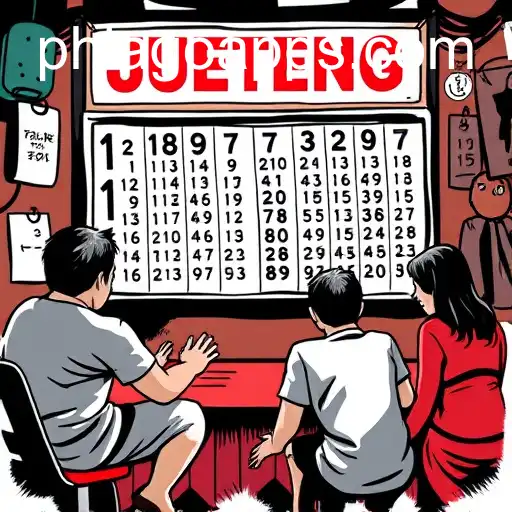
The game is relatively straightforward: players pick a combination of numbers, usually between one to thirty-seven, paying a minimal amount for their bet. Winning numbers are drawn, and those who have the correct combination receive cash prizes. These games occur multiple times a day, which enhances the chances for players to bet repeatedly and for organizers to amass significant revenue.
Jueteng's Socioeconomic Impact
Jueteng is more than just a game of chance in the Philippines; it provides financial opportunities, albeit illegally, for many individuals. Bet collectors, commonly known as cobradores, earn commissions based on the number of bets they gather daily, giving them steady income despite the constant risk of arrest. Additionally, local government officials, police, and community leaders have been known to protect Jueteng operations in exchange for a cut of the profits.
This systemic corruption has allowed Jueteng to flourish despite numerous attempts to eradicate it. Moreover, in low-income areas, Jueteng offers the allure of easy money that is hard for poverty-stricken Filipinos to resist. This socioeconomic dependency makes it a formidable challenge to dismantle, especially when some argue that it provides financial support to marginalized communities.
The Role of PHLAGO
In the fight against Jueteng, PHLAGO, the Philippine Anti-Gambling Operations Group, has been an essential player. Their mission is centered on reducing illegal gambling activities, including Jueteng, through intelligence operations, raids, and arrests. However, the vast networks and deep-seated roots of Jueteng present considerable challenges for PHLAGO to overcome.
Despite the police and PHLAGO’s efforts, the involvement of influential protectors within the local government and enforcements often hinder substantial progress. The issue of accountability within law enforcement remains a significant hurdle for PHLAGO’s success. The intricacies of these networks are complex, making it difficult to dismantle the profitable operations that have become part of the socio-political fabric of the Philippines.
Challenges in Eradication
Attempts to stop Jueteng have often met with temporary success. Arrests are made, but operations quickly resume as players and organizers adapt to law enforcement tactics. The vibrant bribery systems integrated within Jueteng operations make it hard for PHLAGO to enforce laws effectively.
The Influence of Culture and Tradition
An aspect often overlooked is the cultural acceptance of Jueteng within many Filipino communities. As a traditional pastime, it holds a place not just as a form of entertainment but also as a community bonding activity. Jueteng’s cultural roots are deep enough to withstand pressure from anti-gambling initiatives spearheaded by organizations like PHLAGO.
Efforts to replace Jueteng with legalized gaming options have shown limited success due to the cultural embedment and perceived fairness of Jueteng. Many Filipinos stick to Jueteng due to its local operation, where they feel their chances are better understood and more predictable.
Future Prospects and PHLAGO’s Mission
The task of eradicating Jueteng seems daunting, but PHLAGO remains committed. Key strategies include cutting off financial networks crucial for the operation's survival and enforcing stricter laws against both organizers and protectors. Moreover, raising awareness about the consequences and enticing communities with viable alternatives could aid in shifting the dependency away from Jueteng.
As the global gambling landscape undergoes changes, PHLAGO explores innovative approaches such as leveraging technology to disrupt illicit networks and foster a more transparent system of law enforcement. Collaborations with international anti-gambling bodies may offer additional strategies and support.
Conclusion
In the face of cultural heritage and economic necessity, organizations like PHLAGO walk a tightrope dealing with Jueteng. The path to addressing this complex issue lies in balancing enforcement with socio-economic support and cultural sensitivity, ensuring that the fight against Jueteng in the Philippines moves forward with effectiveness and integrity.